If you’re planning a trip to Belgium, you’re likely trying to decide how to split your time up between the country’s most popular cities: namely, Brussels, Brugge, and Ghent. The good news is, you can easily visit all 3 in 1 trip! Belgium is a smaller country, and these 3 popular cities are just a short train ride away from each other. Of course, that begs the question: how many nights should you spend in the capital city of Brussels?
This post may contain affiliate links that earn me a small income at no cost to you. When you purchase through my links, you help me continue providing you with the best travel rec’s!
My short answer: I would recommend spending one night in Brussels. If you’ve done any Belgium research, you’ve likely read that Brugge is the city that you should devote the most time to. While I would definitely agree with spending most of your time in Brugge, Brussels is where many travelers arrive first, especially if they’re flying into Belgium. When planning my own trip, I found that people often seemed “meh” about Brussels, but I personally don’t think you should skip it altogether. I spent one night in Brussels and three nights in Brugge, and have zero regrets. Now that we have a game plan, the rest of this post will be dedicated to helping you find the best things to do in Brussels!
My Overall Impression of Brussels
Having visited a lot of popular European cities, I have to say that aesthetically speaking, Brussels was not hitting for me. I’m sorry. But I have to be honest with you. Europe is renowned for its old-world architecture, and I was surprised by how many of Brussels’ buildings felt relatively plain in comparison.
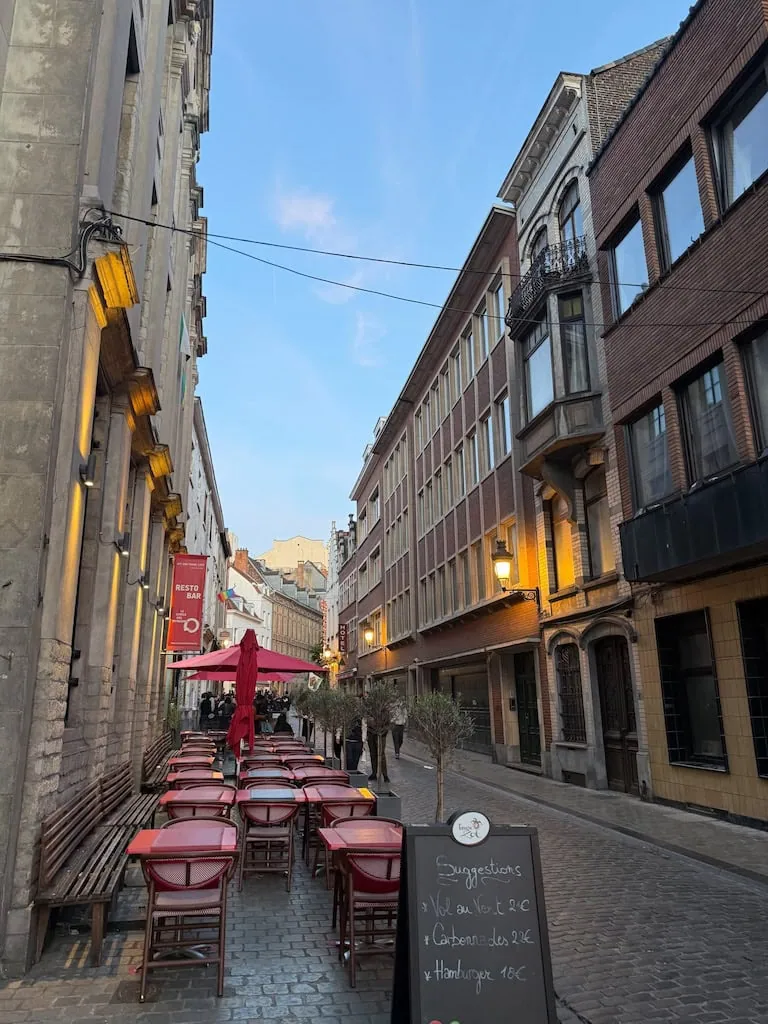
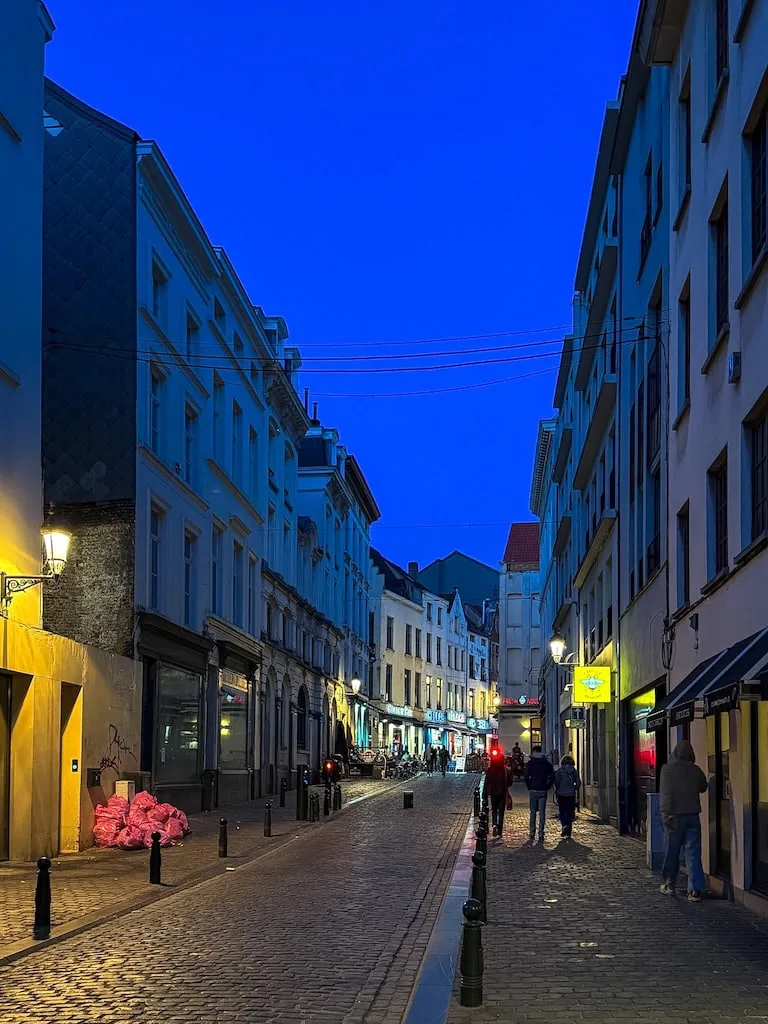
Normally when you see architecture like this, it’s because a city got destroyed by bombings during a war and they had to hurry up and rebuild. But I learned on my walking tour that Brussels actually did this to themselves! They purposely tore down a lot of older, historic buildings and rebuilt them to make the architecture more modern. In fact, this practice became so widespread that it eventually became known as “Brusselization” amongst urban planners and architects worldwide. (I would have voted “absolutely not,” but nobody asked me…🤷🏼♀️)
Having said that, there ARE a few beautiful and fun areas around the city, which I will show you further down in this post. I also really liked how Brussels has somewhat of a quirky sense of humor, similar to Prague. There are fun statues and “Easter eggs” hidden throughout the city, and once I knew to look for them, exploring became a lot more exciting.
One important thing to note is that I had a decent number of people tell me that Brussels was one of the few European cities where they had felt unsafe. A couple people even told me they had been robbed there. While I personally did not feel threatened, I was also only there for one night. As someone who often travels solo, safety is always top of mind for me, so I like to alert other travelers when I hear about this sort of thing. As with any major city, stay aware of your surroundings, keep an eye on your belongings, and use extra caution in crowded areas, train stations, etc.
What Languages Do They Speak in Belgium?
Belgium is a unique country in that it has 3 official languages: French, Flemish (or Dutch), and German. However, because the German-speaking population is so small, you can mostly think of it as ~50% Flemish and ~50% French. Flemish is mostly spoken in the northern half of the country, and French is mostly spoken in the south. But Brussels is even more unique in that Flemish AND French are both the official languages of the city capital.
Are you confused? Because same. But the takeaway point is I found that most people spoke French to me in Brussels, and Flemish in Brugge and Ghent. I quickly learned to adjust how I greeted people (“Bonjour/Hallo”) depending on where I was.
Things To Do During Your Day in Brussels
Visit Grand Place (Grote Markt) – Especially at Night
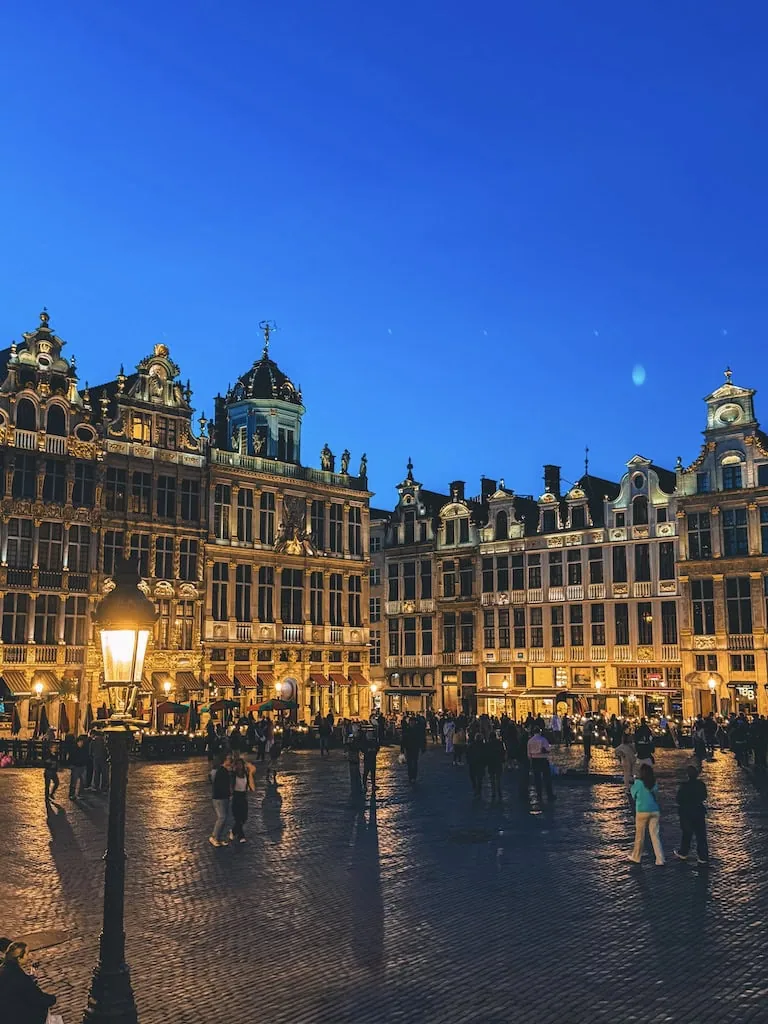
IMO, the most impressive thing about Brussels is the Grand Place or Grote Markt – aka the central city square. The buildings are majestic with rich gold accents, which gives it a very regal vibe. Thankfully, they decided not to extend Brusselization into Grand Place, so the architecture still maintains its old-world structure and charm. I would say it’s one of the most beautiful city squares I’ve seen in Europe.
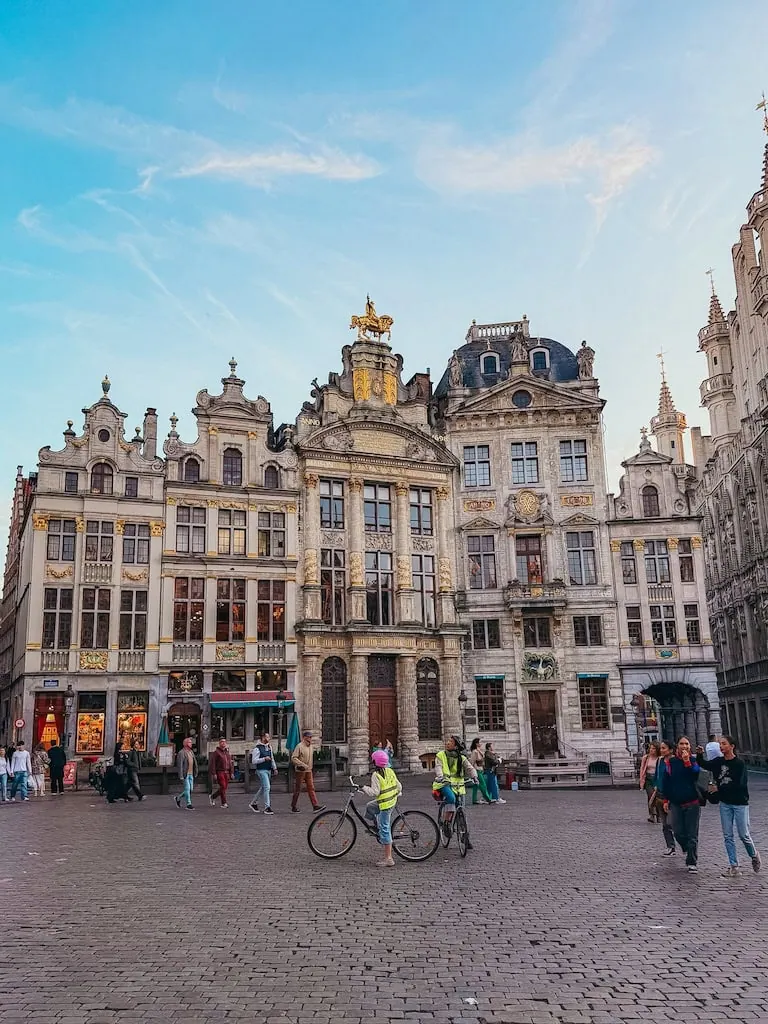
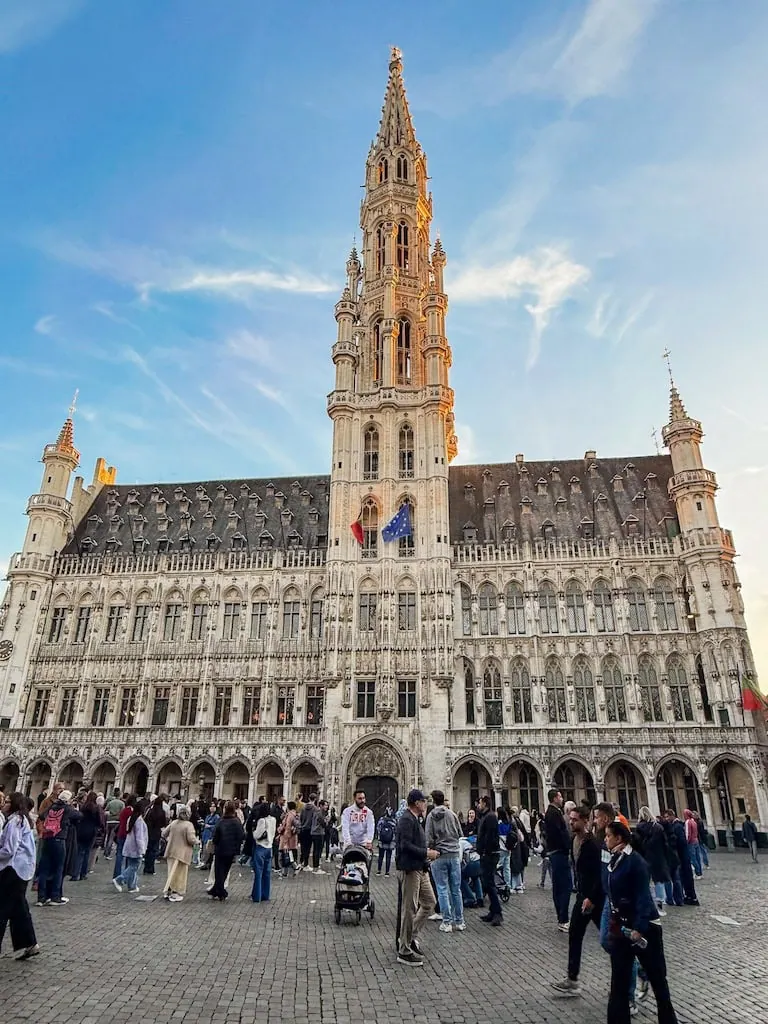
When you’re here, make sure to take a closer look at the Hôtel de Ville (aka the Town Hall) – you’ll notice that it’s off-center and not symmetrical. Was this a mistake? Well, I don’t really know…but it’s definitely a quirk that makes this building unique!
Although Grand Place is beautiful during the day, it becomes absolutely stunning once it’s all lit up at night. The lights illuminate the gold accents on the buildings and give the entire square a warm, dreamlike glow. Seeing Grand Place lit up after dark is actually one of the main reasons I recommend spending a night in Brussels. I sat here for longer than I care to admit once the sun went down just taking it all in!
See Mannekin Pis
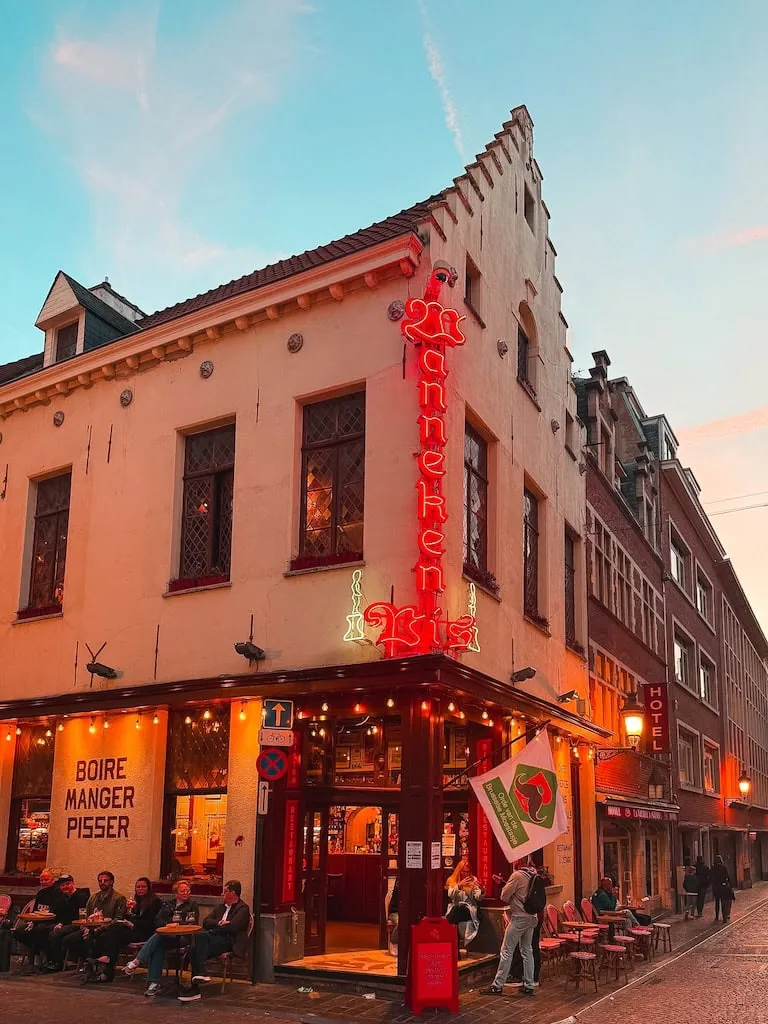
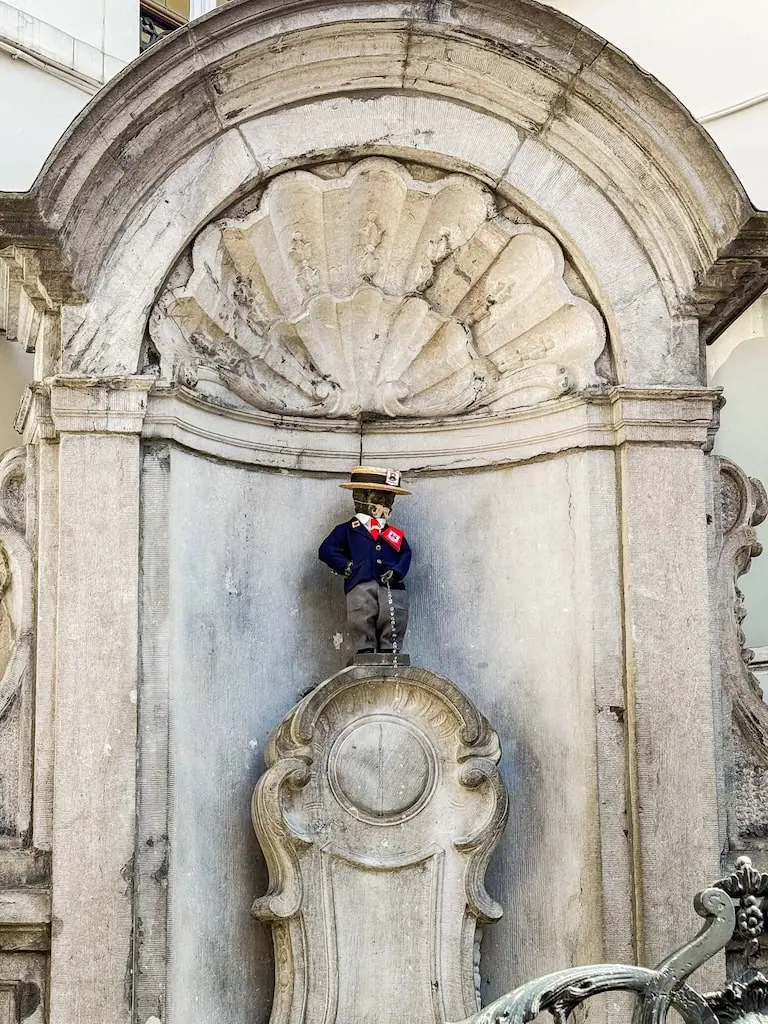
One of the most obvious symbols of Brussels’ quirky sense of humor is Mannkein Pis – a small bronze statue of a boy peeing into a fountain. In fact, it’s so small that you’d likely walk right by without a second glance if you didn’t know to look for it. Don’t worry – the massive crowd of people taking photos by the fountain will give it away. To find Mannekin Pis directly, you can type in Mannekin Pis Cafe into Google maps, which will take you to the restaurant directly across from the fountain, about a 5 minute walk from Grand Place:
Mannekin Pis is often dressed in costumes for special occasions, and apparently has a wardrobe that contains hundreds of outfits. I’m jealous. I suppose his outfits wouldn’t fit me anyway (not to mention, they’re not really my style) 😉. When I was in Brussels, the city was hosting the Order of the Brussels Moustache competition – essentially, a contest for the city’s finest facial hair – and Mannekin Pis was dressed in full celebration:
Spot the Comic Book Murals
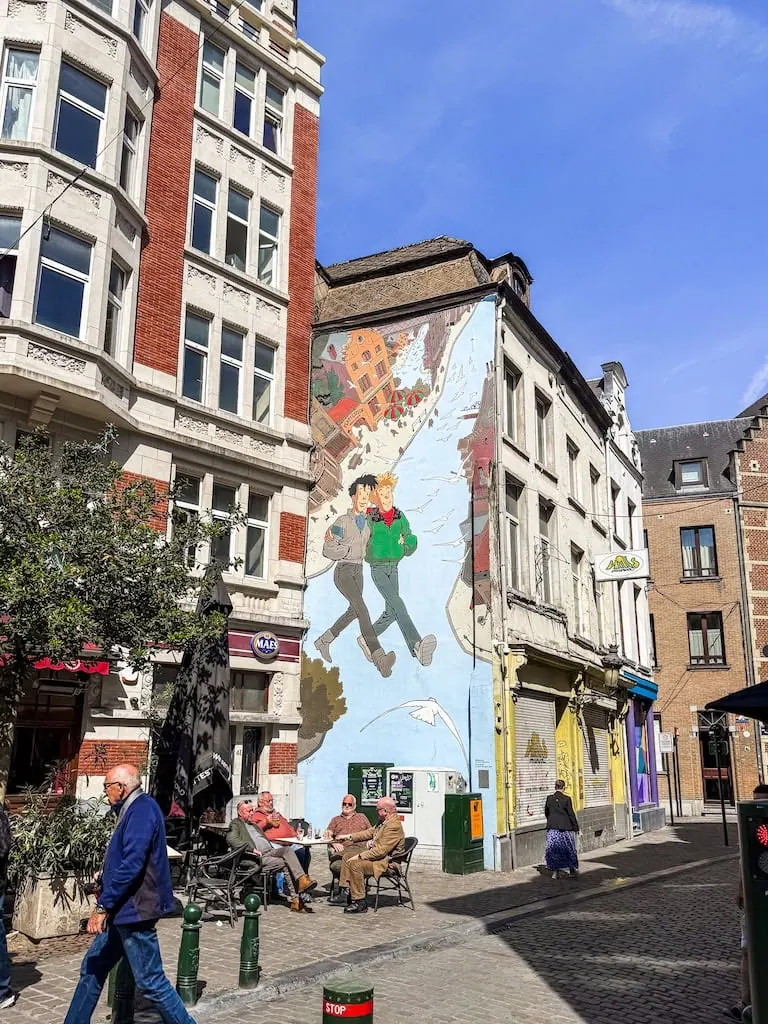
Brussels is known for its comic book culture, and you’ll find colorful comic murals painted on buildings throughout the city. Arguably the most famous Brussels comic is The Adventures of Tintin, but you’ll find dozens of murals dedicated to other famous Belgian comic characters as well. Additionally, the guy who created The Smurfs was born in Brussels, and you’ll find a giant Smurfs mural on the ceiling of the underpass near the Hilton Brussels Grand Place hotel.
Even if you’re not much of a comic book fan, these larger-than-life artworks pop up in unexpected places, and make exploring Brussels feel like a treasure hunt. The murals are a fun excuse to wander beyond the main tourist attractions and discover parts of the city you might otherwise miss. For the full comic book experience, you can take this guided comic book walking tour.
Notice the Unique Street Signs
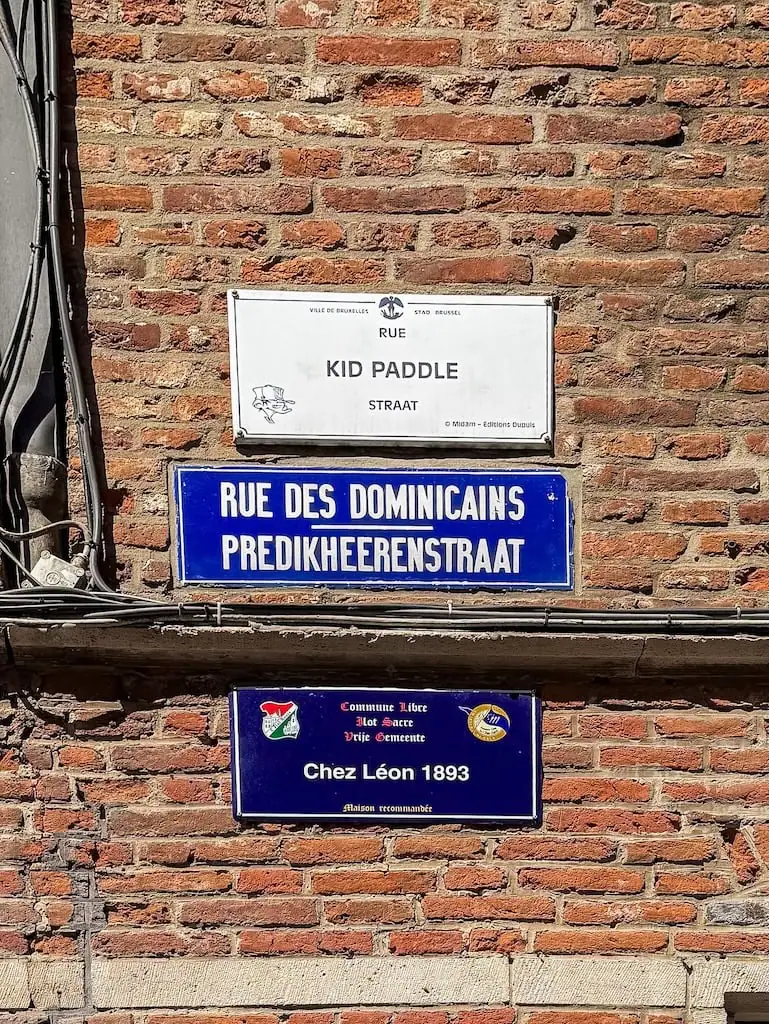
You know how I mentioned there were “Easter eggs” throughout Brussels? While you’re walking through the city, take a moment to stop and notice the street signs. Many of the streets will have 2 signs: one in blue and one in white. The signs in blue are always the real name of the street, and should be used when you’re trying to navigate around. In contrast, the white signs are “fake” and contain the names of some popular comic book characters – simply another ode to the city’s playful sense of humor.
- Pro Tip: Remember how the official language in Brussels is ~50% Flemish and ~50% French? Many of the street signs are written in both languages. On the blue sign below, the French name is on top and the Flemish name is on the bottom.
Walk Through Galleries Royales St Hubert
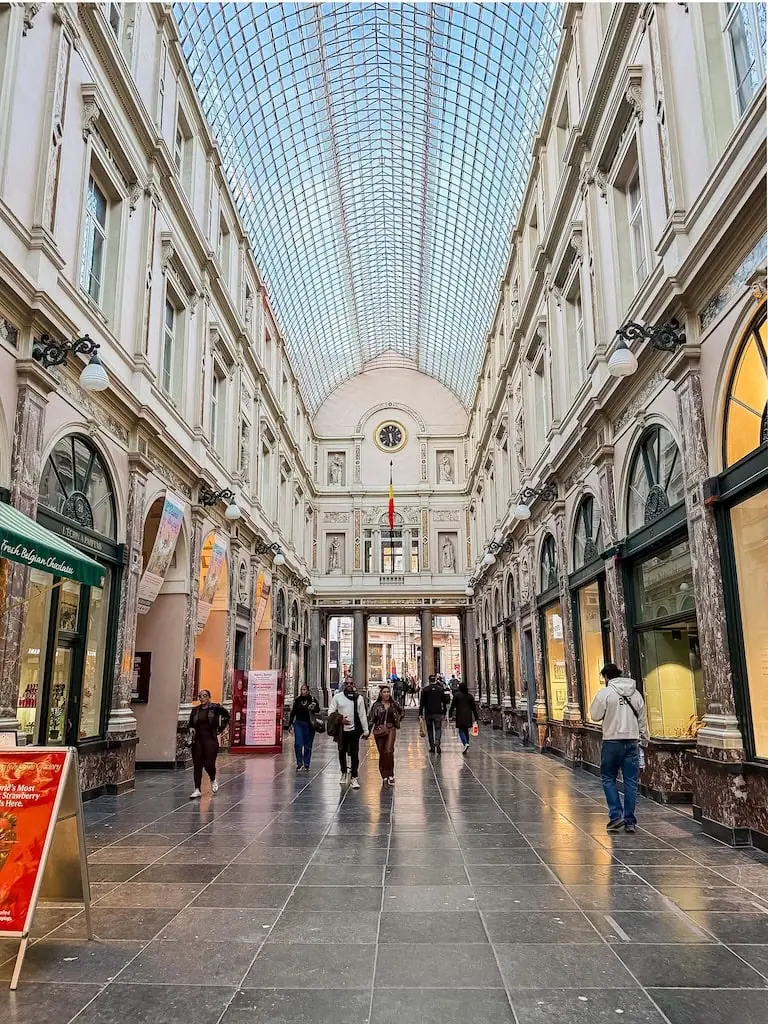
The Galeries Royales Saint-Hubert is a 19th-century glass-covered shopping arcade filled with boutiques, cafés, and chocolatiers. If you’ve ever been to Milan, Italy, you’ll know what I mean when I say it reminds me of a less-aesthetic version of Galleria Vittorio Emanuele II. Even if you’re not shopping, it’s worth walking through just to take in the atmosphere – but I’m still going to coax you into grabbing a coffee or a box of Belgian chocolates along the way.
Eat Dinner at La Petite Bleue
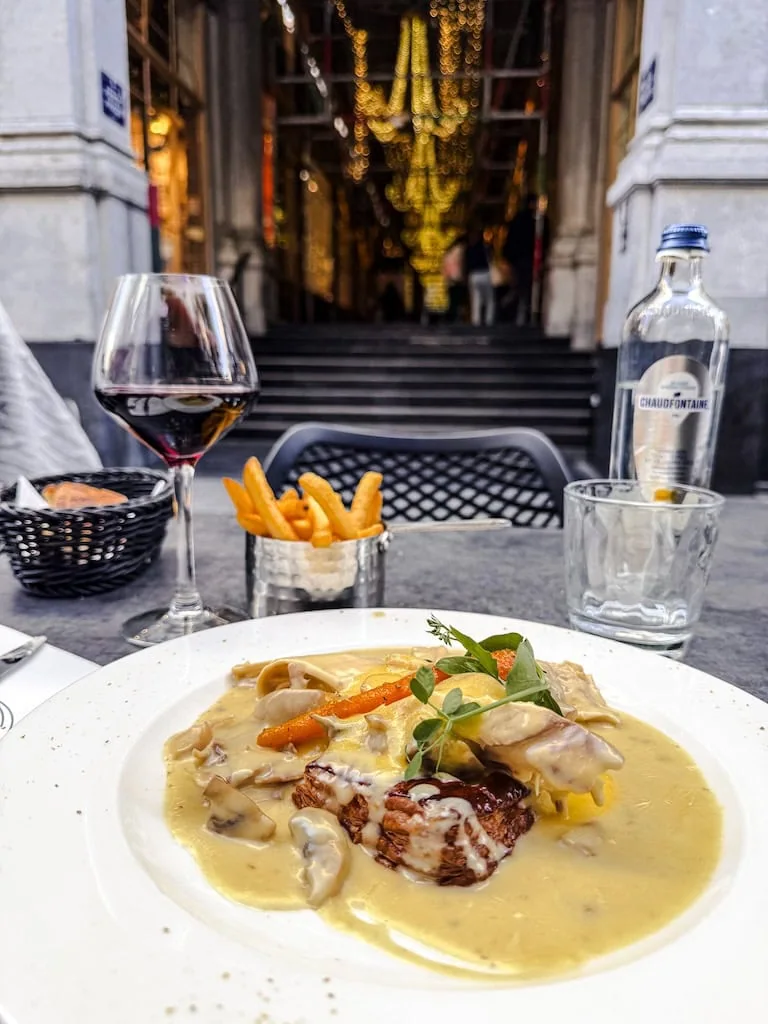
La Petite Bleue was a restaurant that was recommended to me by one of the locals, and I absolutely loved my meal here. It’s located across from one of the entrances to Galleries Royales St Hubert, and has inside and outside seating. I recommend getting the vol au vent, an authentic Belgian comfort dish with chicken and mushrooms in a velvety cream sauce served around a flaky puff pastry shell. (Well, okay, the puff pastry shell technically originated in France, but Belgium has adopted the dish and made it their own.) The lady who recommended La Petite Bleue told me they have one of the best vol au vents in the city, and it’s safe to say the bar has been set.
Try Famous Belgian Foods: Belgian Frites, Waffles, & Chocolates
Belgian Frites (Fries)
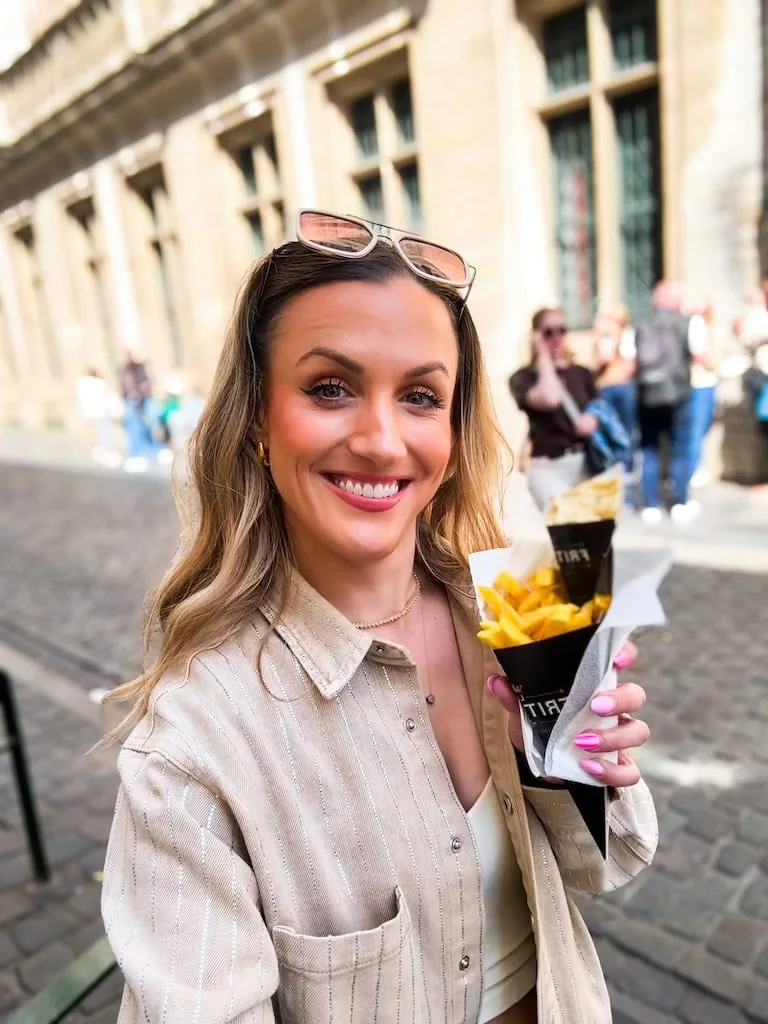
Confession time: I had fries, or Belgian frites, for every meal except breakfast during my entire stay in Belgium. They’re fried in beef tallow so they’re extra crispy, and are usually served with mayo. If the thought of that makes you gag, don’t worry – it’s more of a “dipping sauce” and not the same as the mayo we have in the US. You’ll find fry stands – or Friteries – throughout the city, and many of them offer a few different varieties of mayo (my favorite was the truffle mayo!). Seriously, Belgian fries are the best fries I’ve ever had in my life.
Belgian Waffles
When I was arrived in Belgium, I was more excited to try the waffles than anything else. However, I was disappointed when I learned that a lot of them were extremely dessert-like and less like the thick, chewy, plain breakfast waffle that I was expecting. Of course, I suppose you could get one without the toppings, but I had envisioned sitting down for breakfast and ordering a plain waffle with maple syrup and coffee instead of getting one from a waffle stand as a sweet snack. Very American of me, I know.
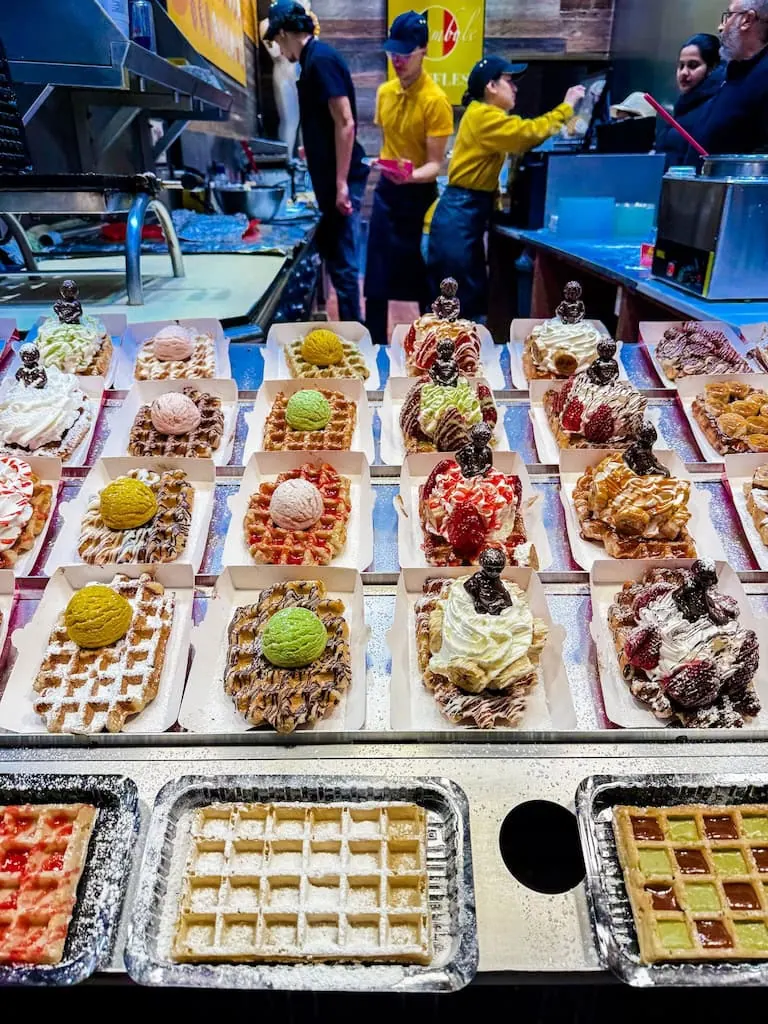
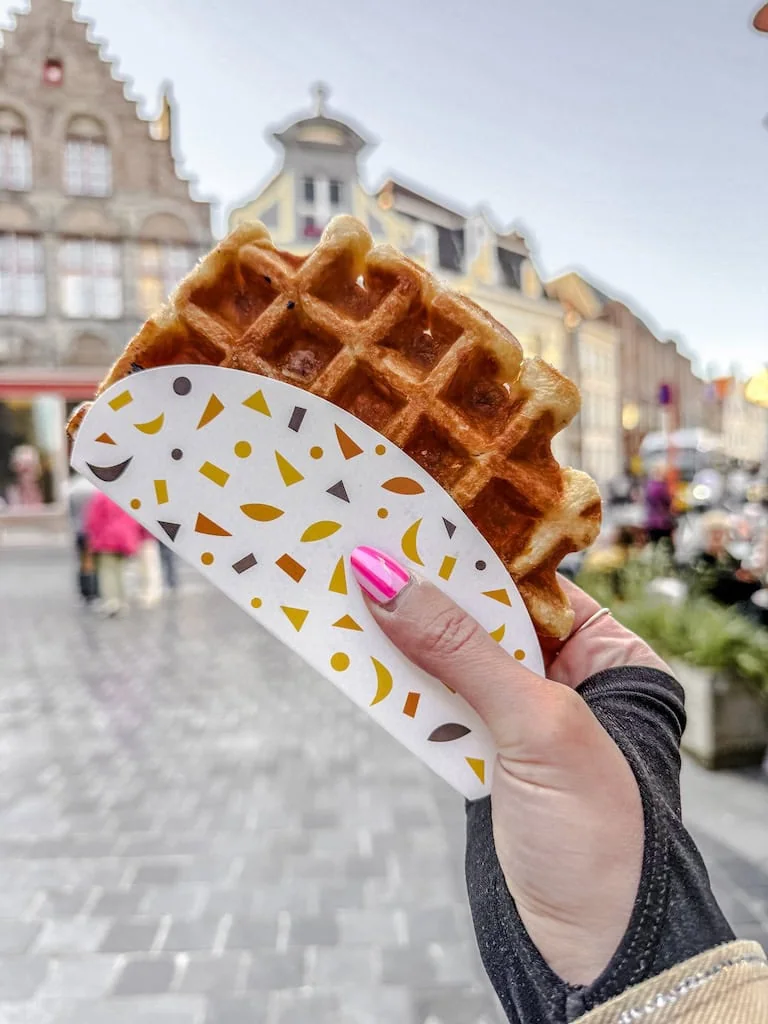
In Belgium, you’ll mostly find Brussels waffles and Liege waffles. Brussels waffles are lighter and airier and made with a thinner batter. In contrast, Liege waffles are thicker and contain chunks of pearl sugar, which caramelize to form a crisp outer coating and a soft interior. Liege waffles are what I personally think of when I think of a Belgian waffle, but without all of the toppings. I didn’t get one in Brussels, but was able to find one from a waffle stand in Brugge.
Belgian Chocolates
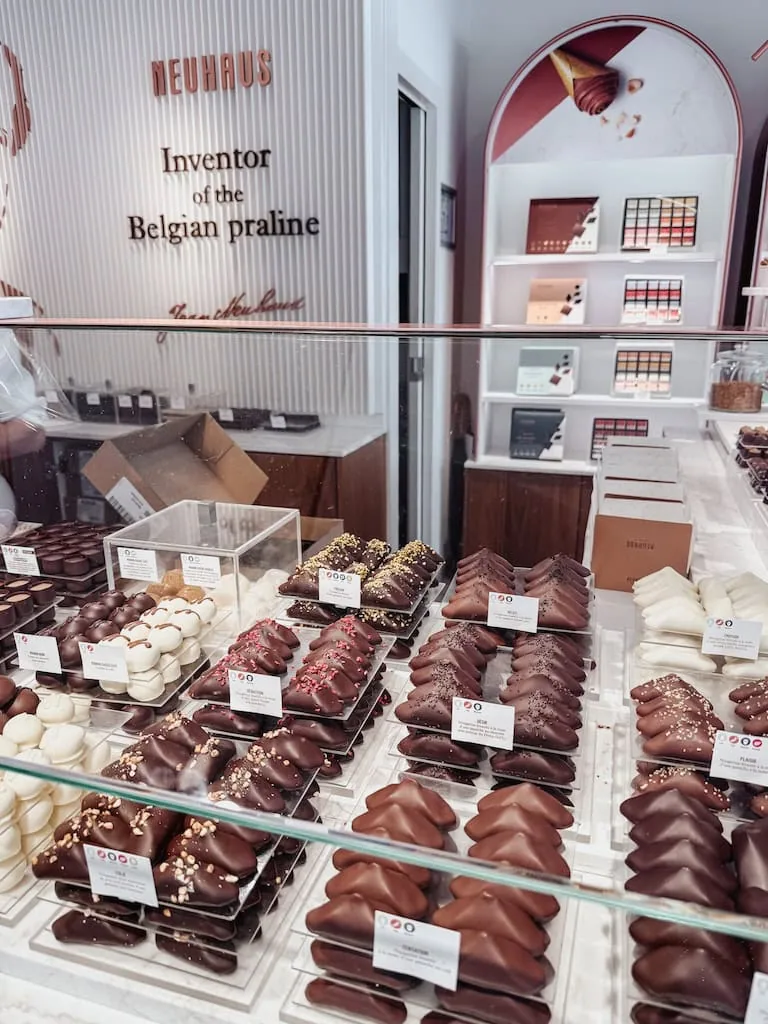
In addition to the fries, I was also a huge fan of Belgian chocolate. The important thing here is finding an authentic chocolatier. One of my favorites was Neuhaus, the Belgian chocolatier credited with inventing the praline in 1912. If you’re unfamiliar, a praline is a chocolate shell filled with a soft center, such as ganache, cream, nuts, or caramel. Another option is to check out Pierre Marcolini for an assortment of pralines, macaroons, truffles, ice cream, and more.
Grab a Beer in Delirium Village
Delirium Village is exactly what it sounds like: an alleyway with numerous bars and pubs. It’s one of the city’s most famous nightlife spots and is known for serving an almost absurd number of beers. In fact, Delíríum Café – one of the bars on this street – holds a Guinness World Record for having the most varieties of beer commercially available in one place (over 2,000!). As much as I wanted to try a beer from here, it was getting late and I had an early train to Brugge the next day. If you visit and try one, LMK your favorite in the comments!
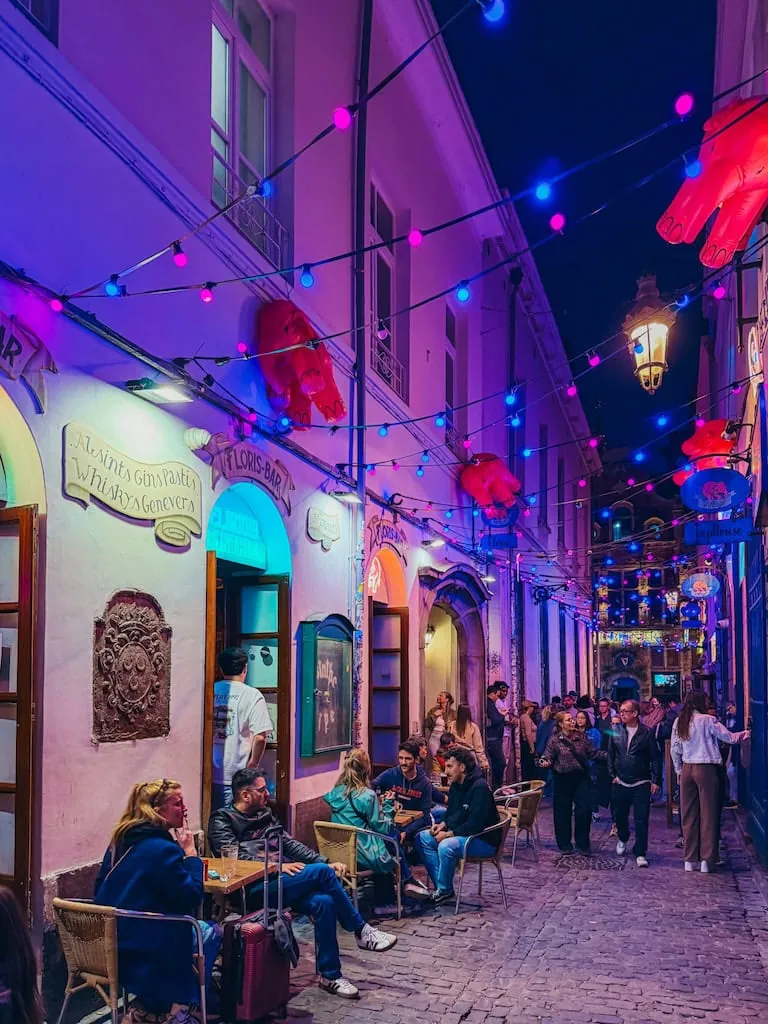
The alley is decked out in purple-ish string lights and is pretty hard to miss, especially when exploring after dark. However, because this area is packed with bars and tourists late into the night, it’s also one of the places where pickpocketing and petty theft are more common. Use caution and keep an eye on your belongings.
- Pro Tip: Delirium Village is located right next to Jeanneke Pis, the lesser-known female counterpart to Manneken Pis.
Take a Walking Tour
If you know me, you know I love a good walking tour in a foreign city. Not only is it a great way to get your bearings, but you’ll often learn fascinating stories that you’d never pick up from wandering around on your own. In Brussels, my guide taught us about everything from comic book culture to the city’s infamous “Brusselization” period like I mentioned earlier. Many tours also come with chocolate, beer, or other food tastings. I’ve linked some top-rated options below:
Brussels, Belgium
Top-Rated Walking Tours
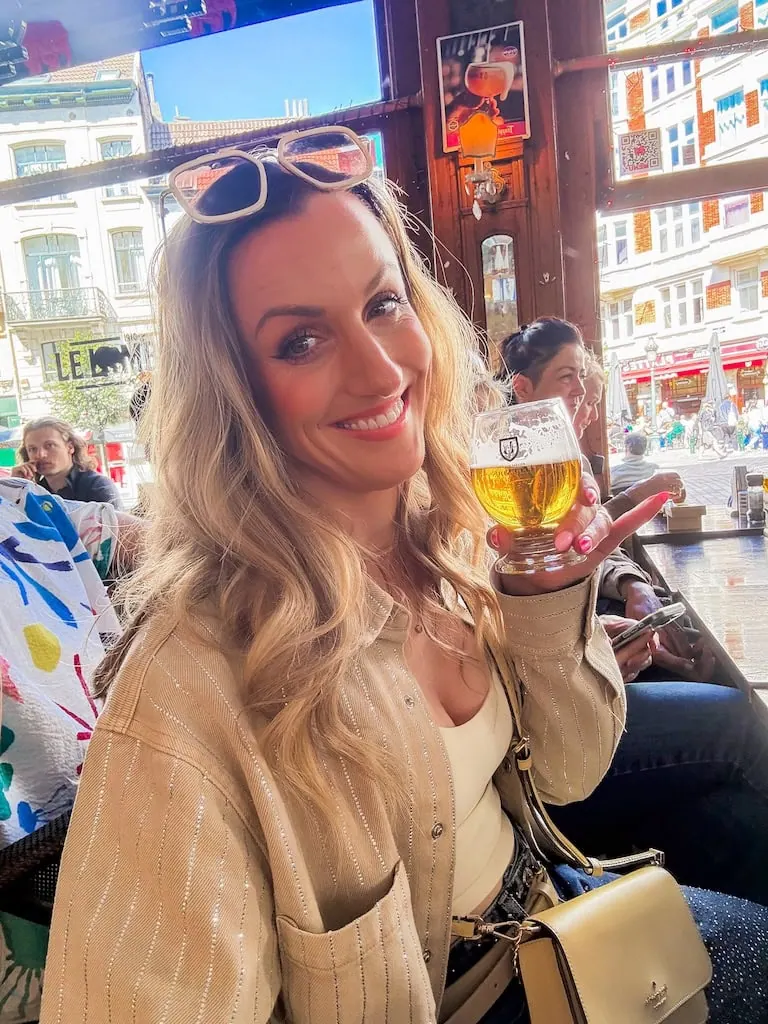
Since Belgium is known for their beer, I would recommend taking a walking tour that included a beer tasting if you’re into that sort of thing. On my tour, we were given the option to try 4 beers or 4 sours. I went with the beer, and one of them even had a cherry flavor that was different from anything I’ve ever tasted. It’s proof that Belgian beer isn’t afraid to think outside the box – and we love that!
Other Things To See in Brussels
With only one day, you’ll likely be pressed for time and not able to squeeze every single building in, but I wanted to include some others in case you decided to stay longer:
- Royal Palace of Brussels
- Palace of Justice
- St. Michael and St. Gudula Cathedral
- Atomium (a futuristic-looking landmark)